
Make the
hard part
work better.
Observed.lb is a software development company in Lebanon building custom software, SaaS platforms, web applications, mobile applications, and AI-powered solutions for businesses in Lebanon and internationally.
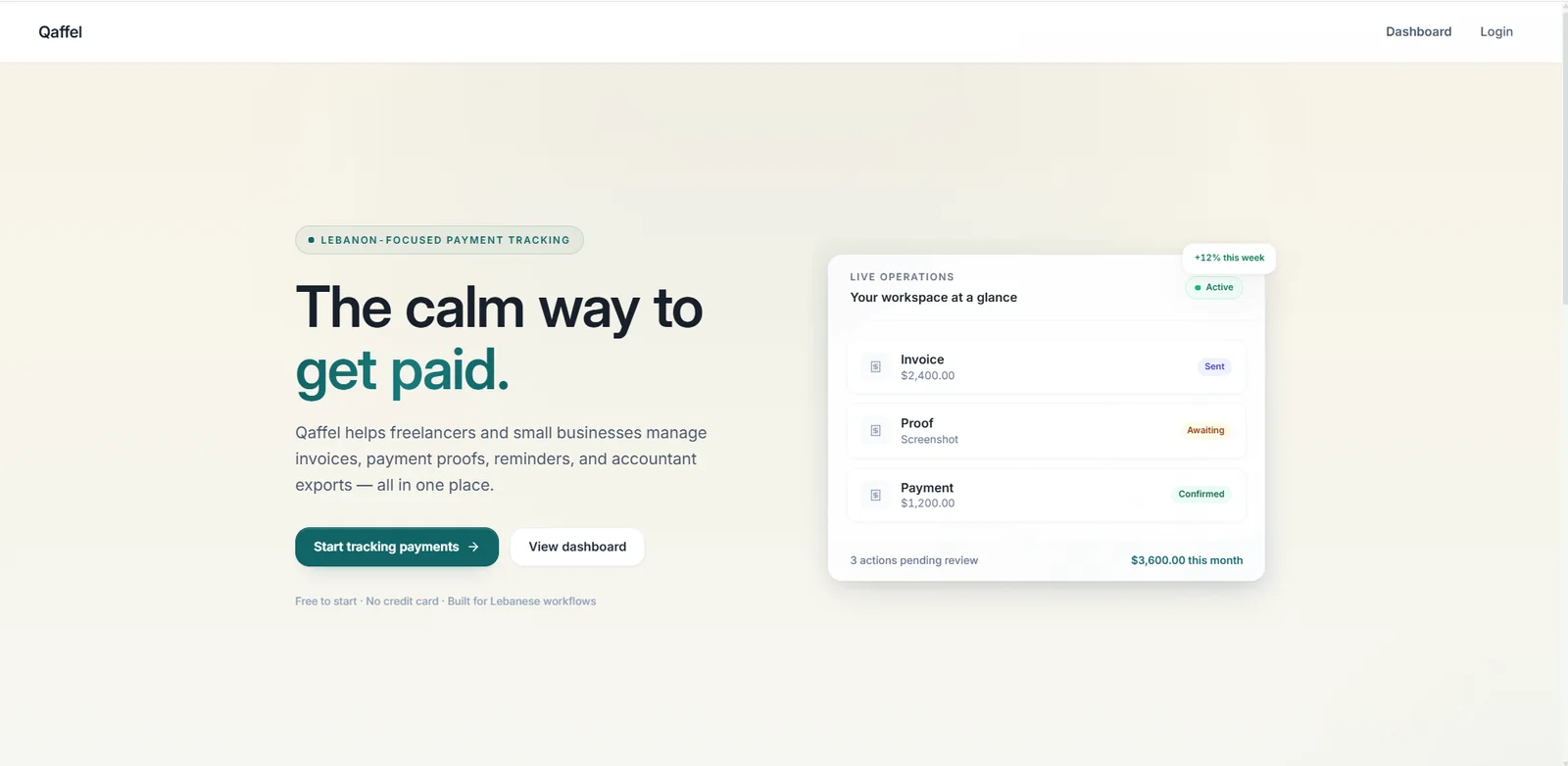
 Qaffel
The calm way
to get paid.
Qaffel helps freelancers and small businesses manage invoices, send payment links, reminders, and reconciliation — all in one place.

Build a new digital product.
SaaS, portals, operational systems, marketplaces, subscriptions, and AI designed around real business rules.
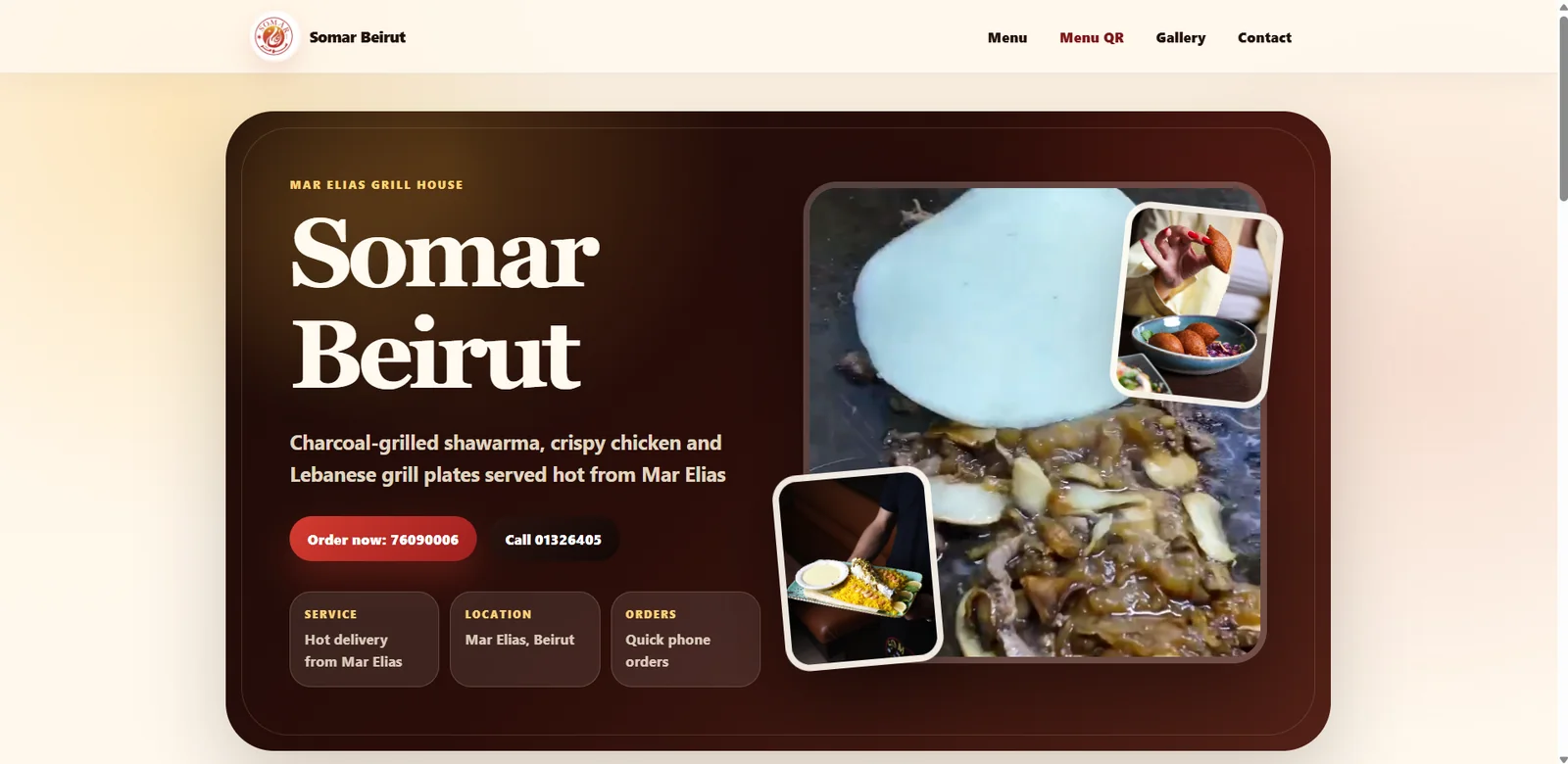
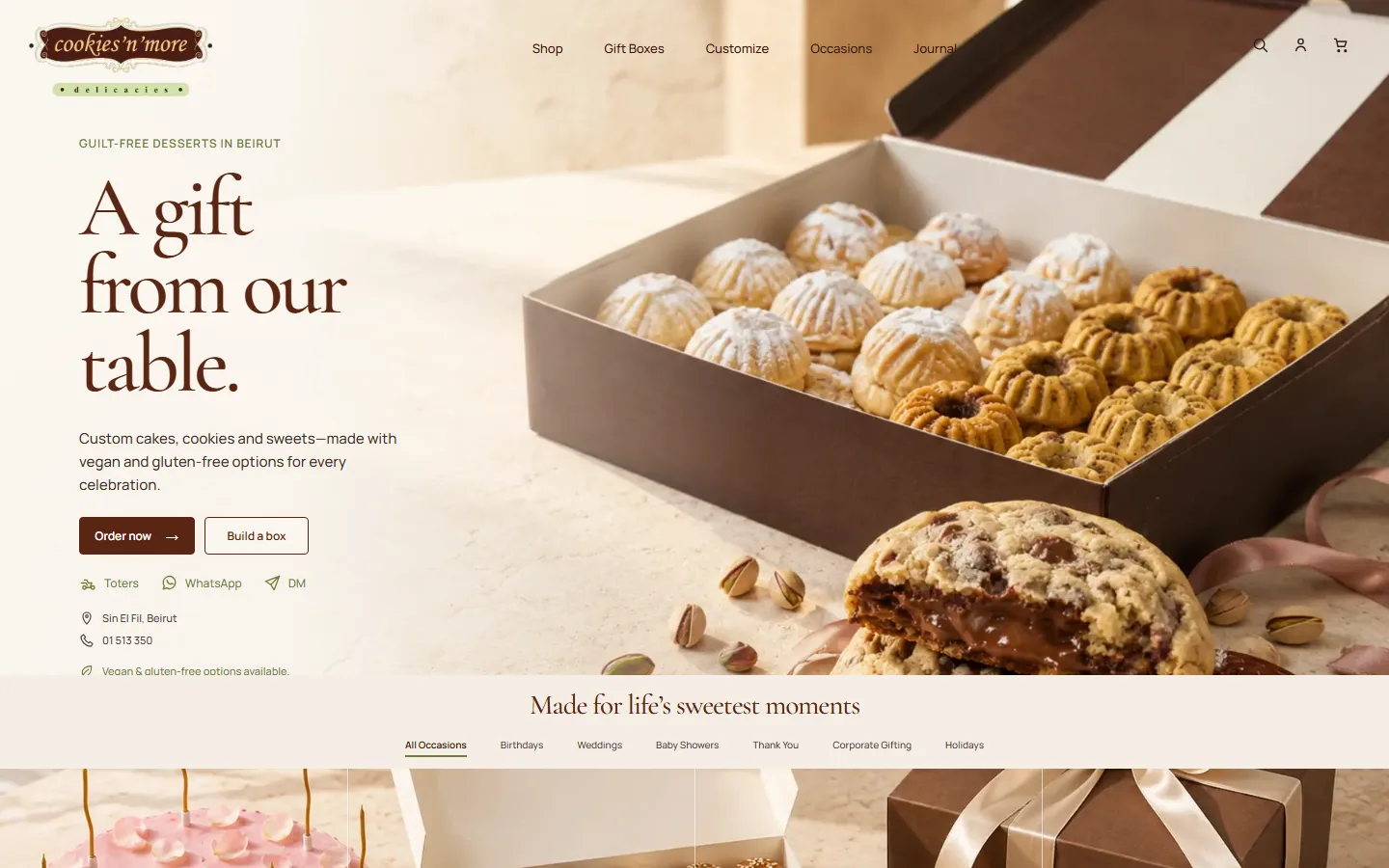
Real interfaces, moving through the system.
A compact moving preview of OBSERVED's public project references. Every frame links to a case study; the full evidence archive still lives on Work.
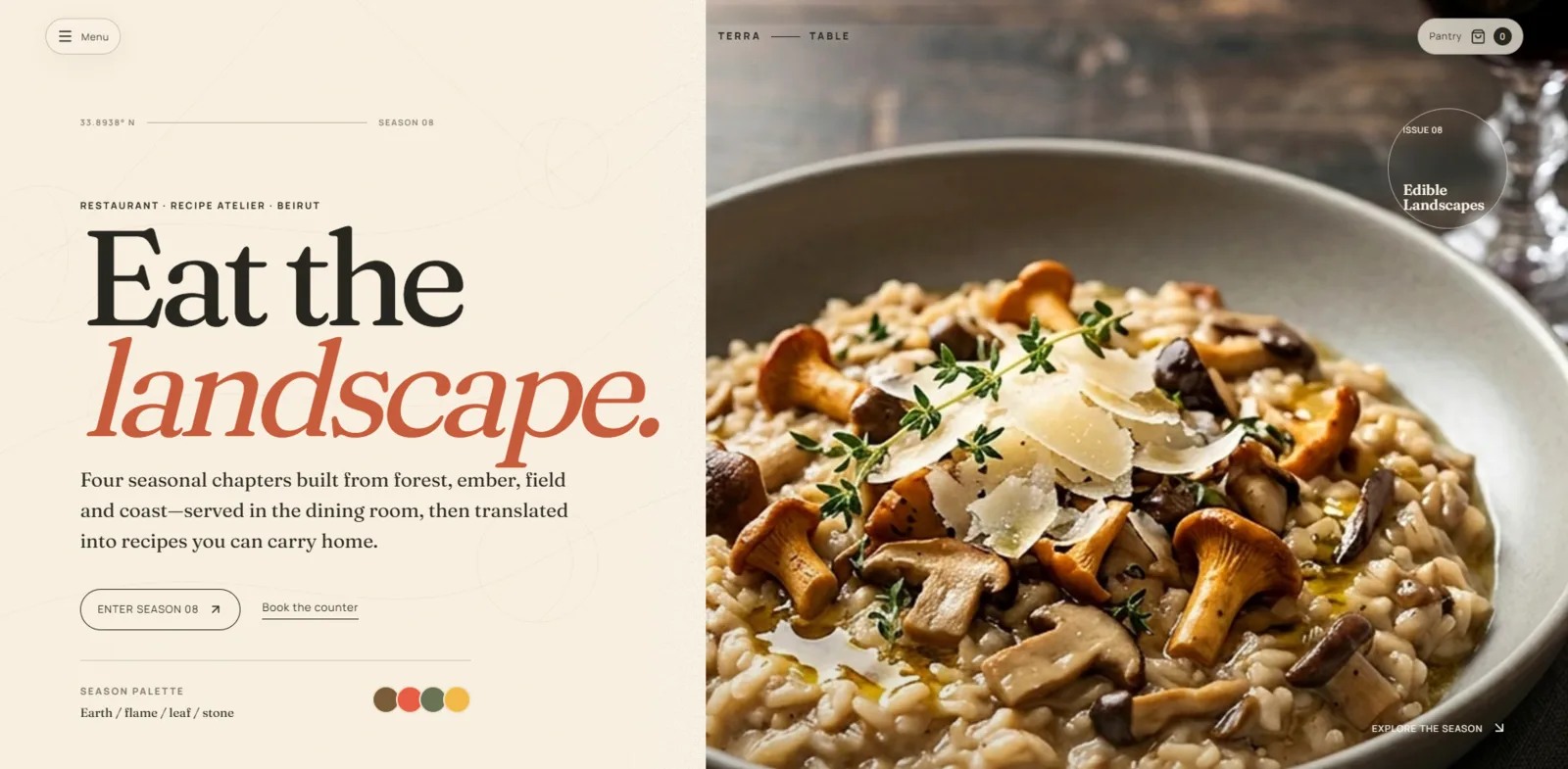
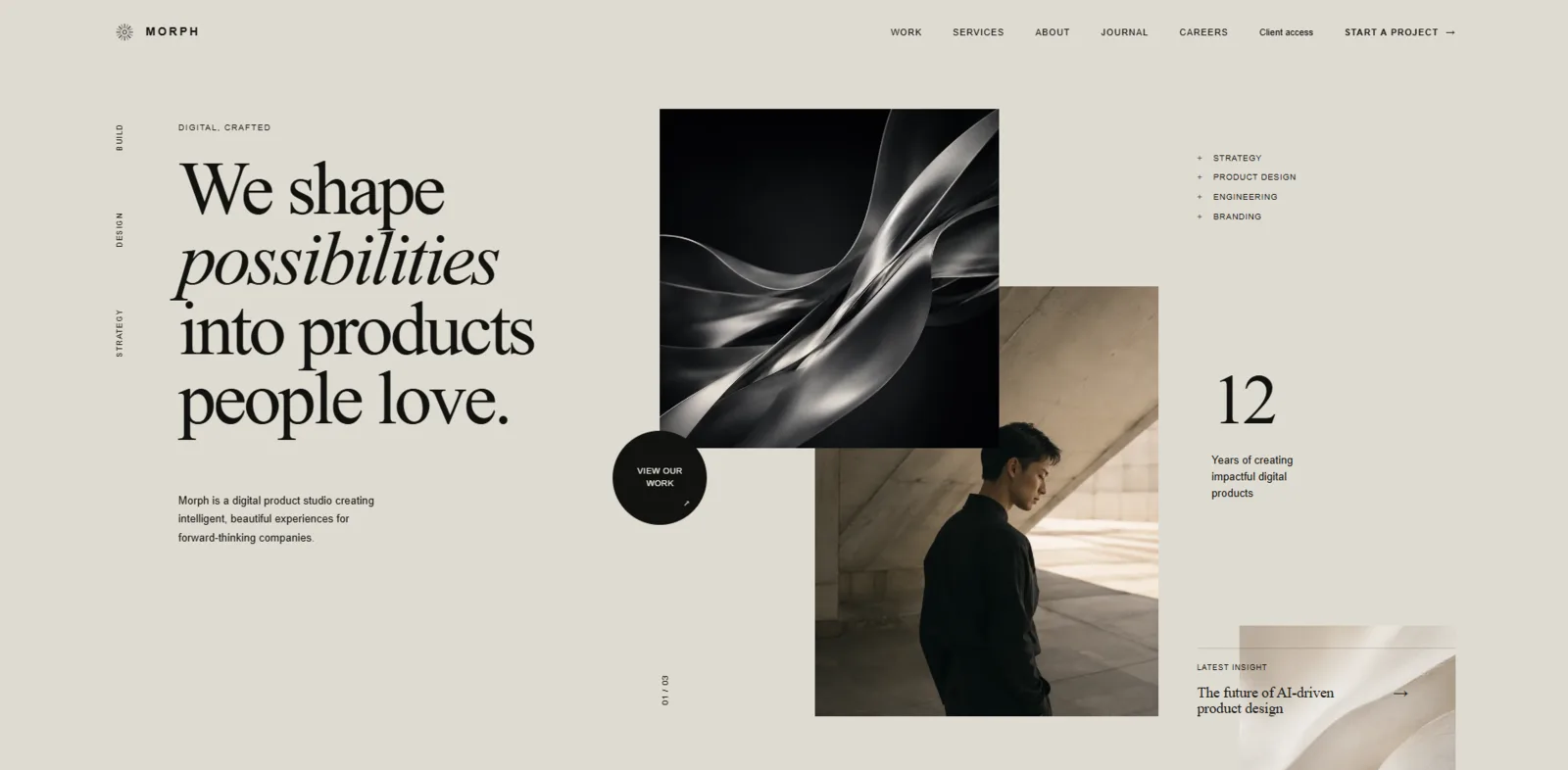
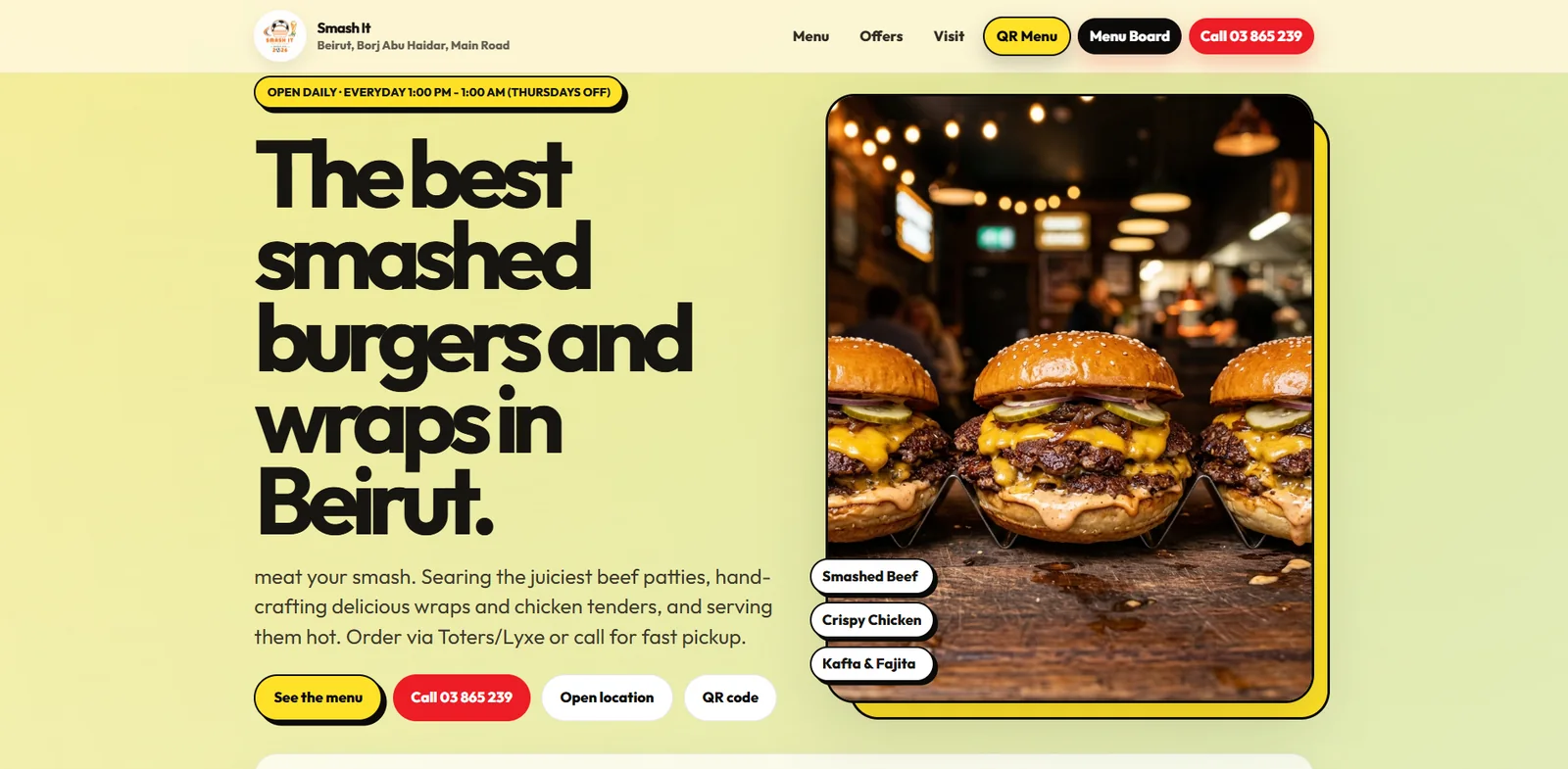
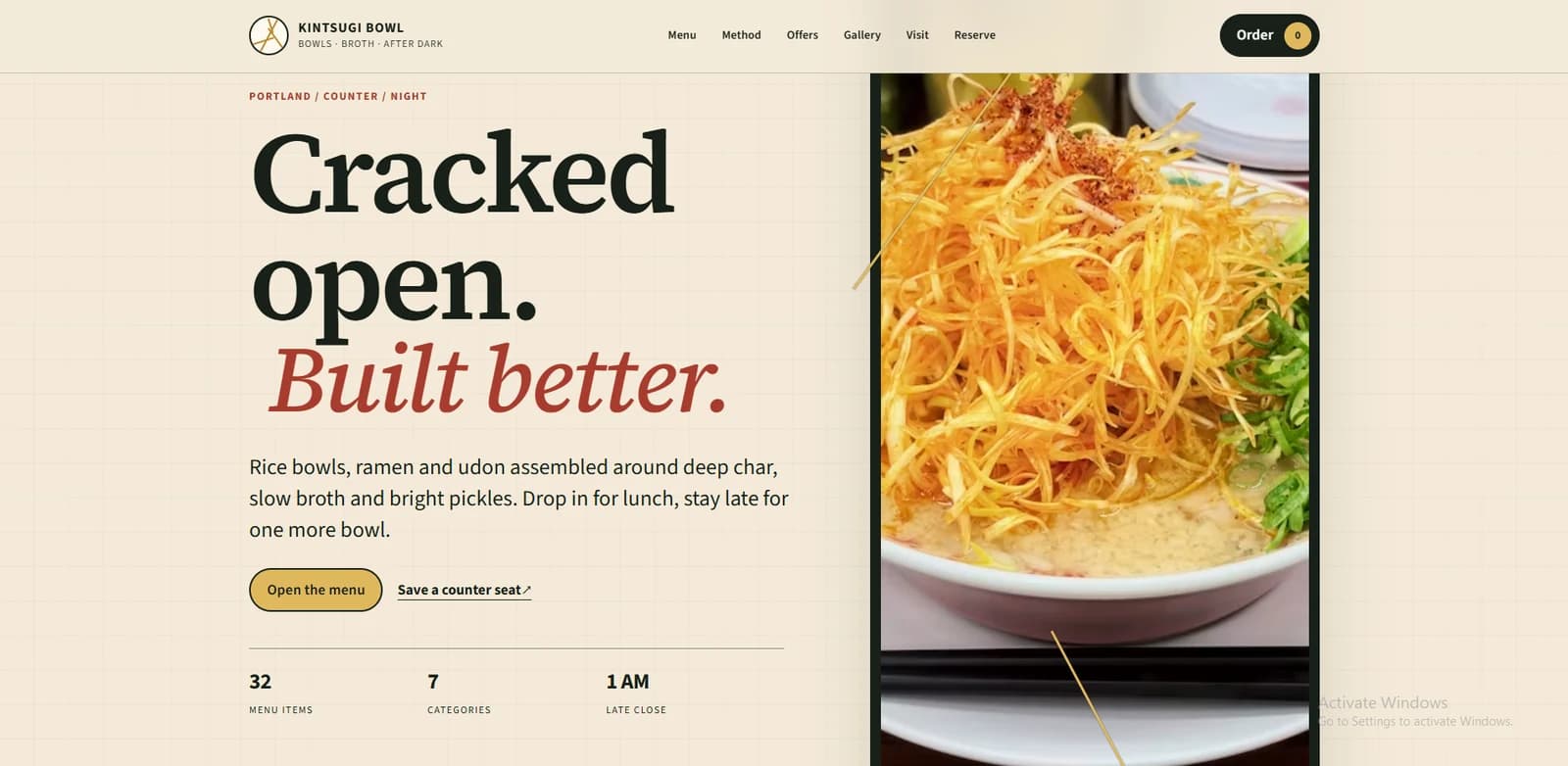
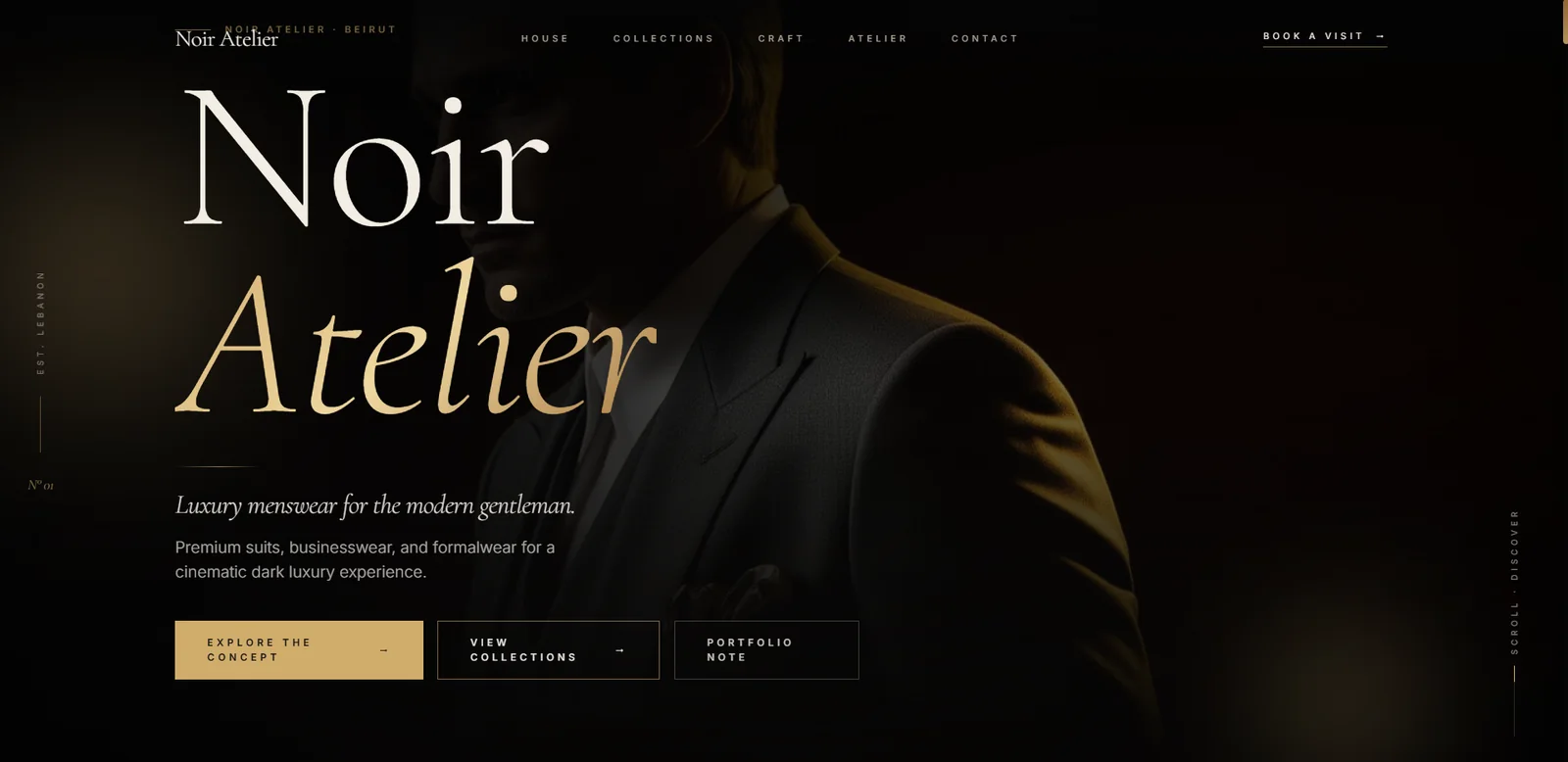
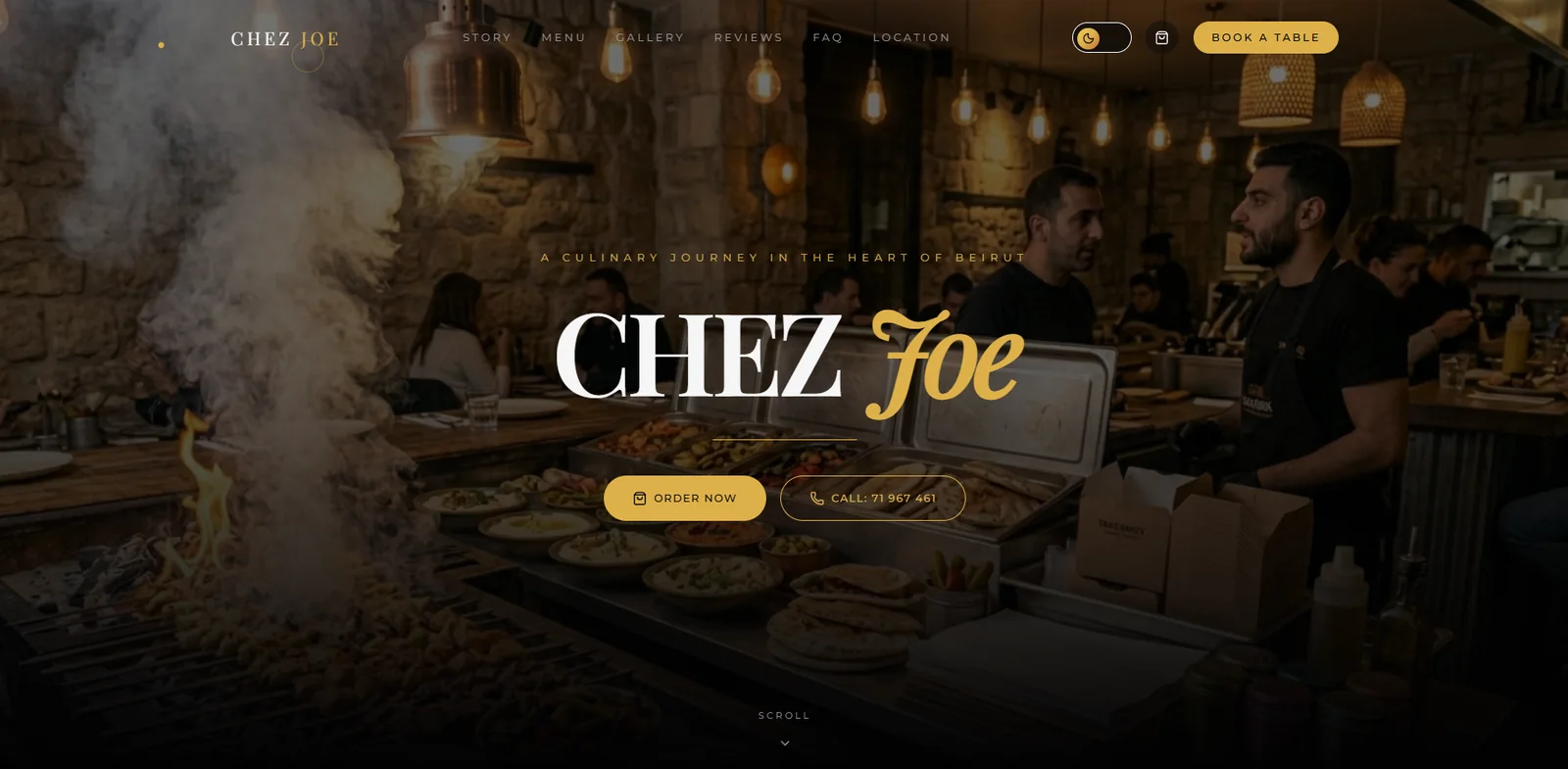
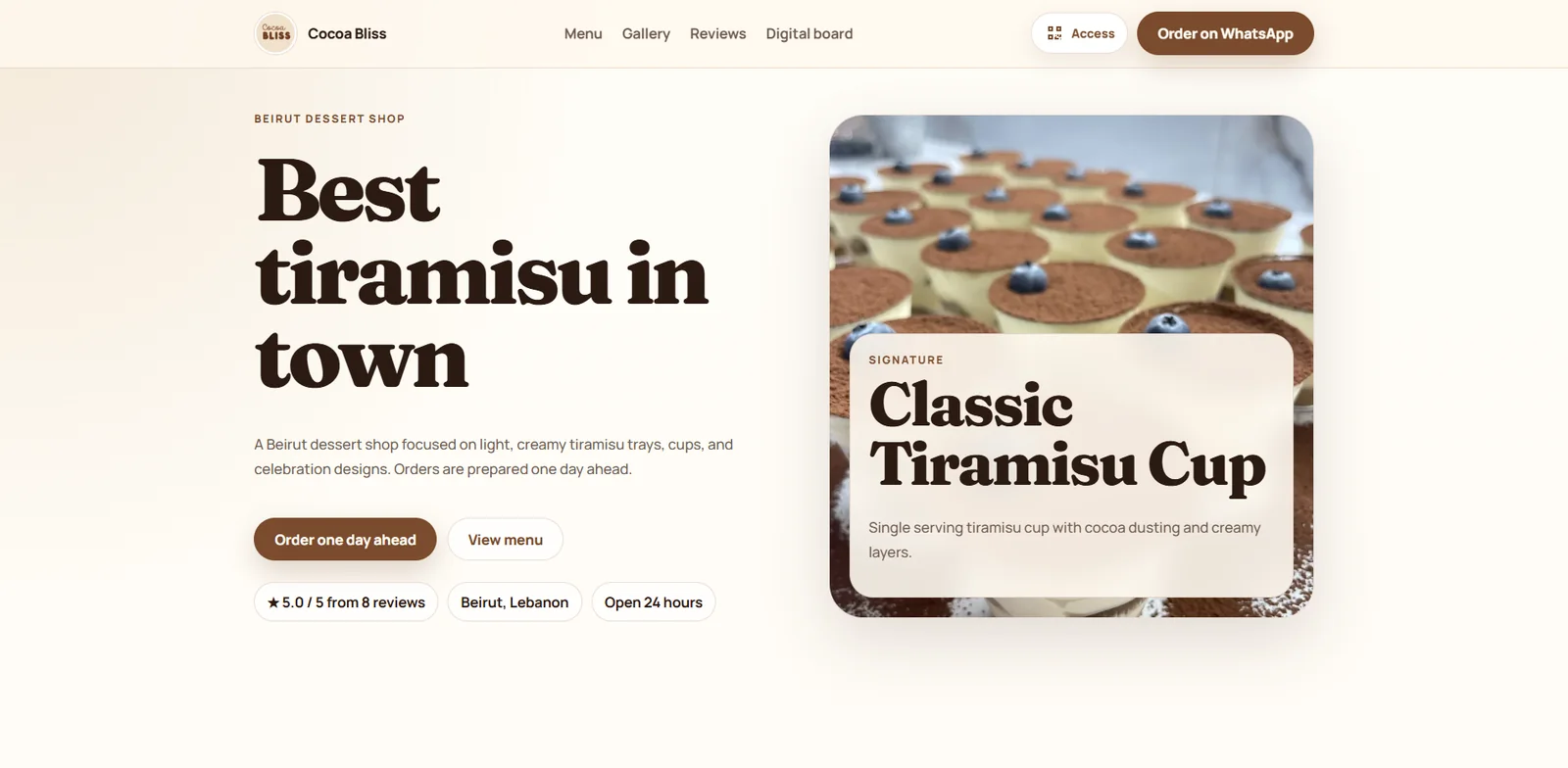
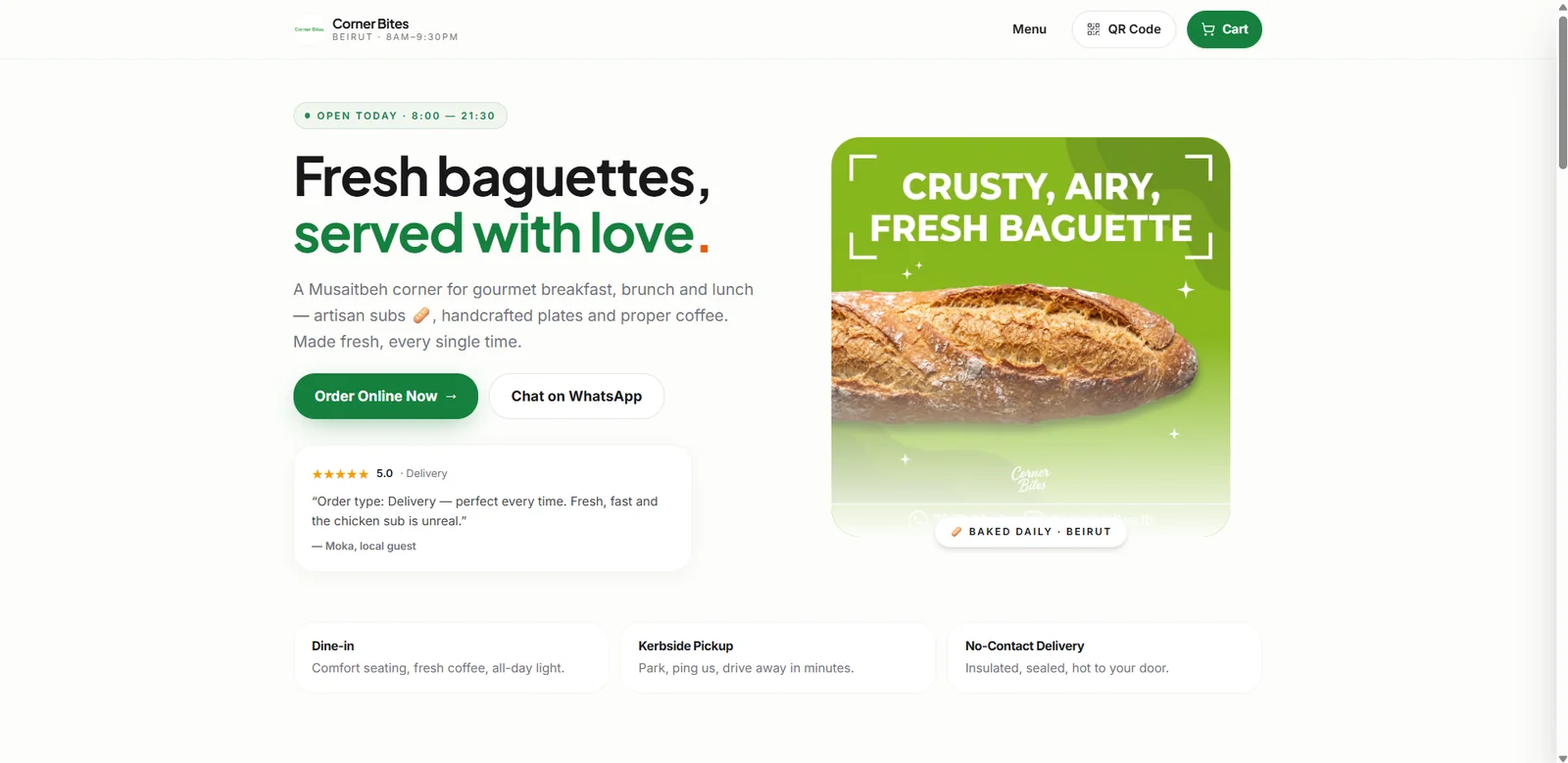
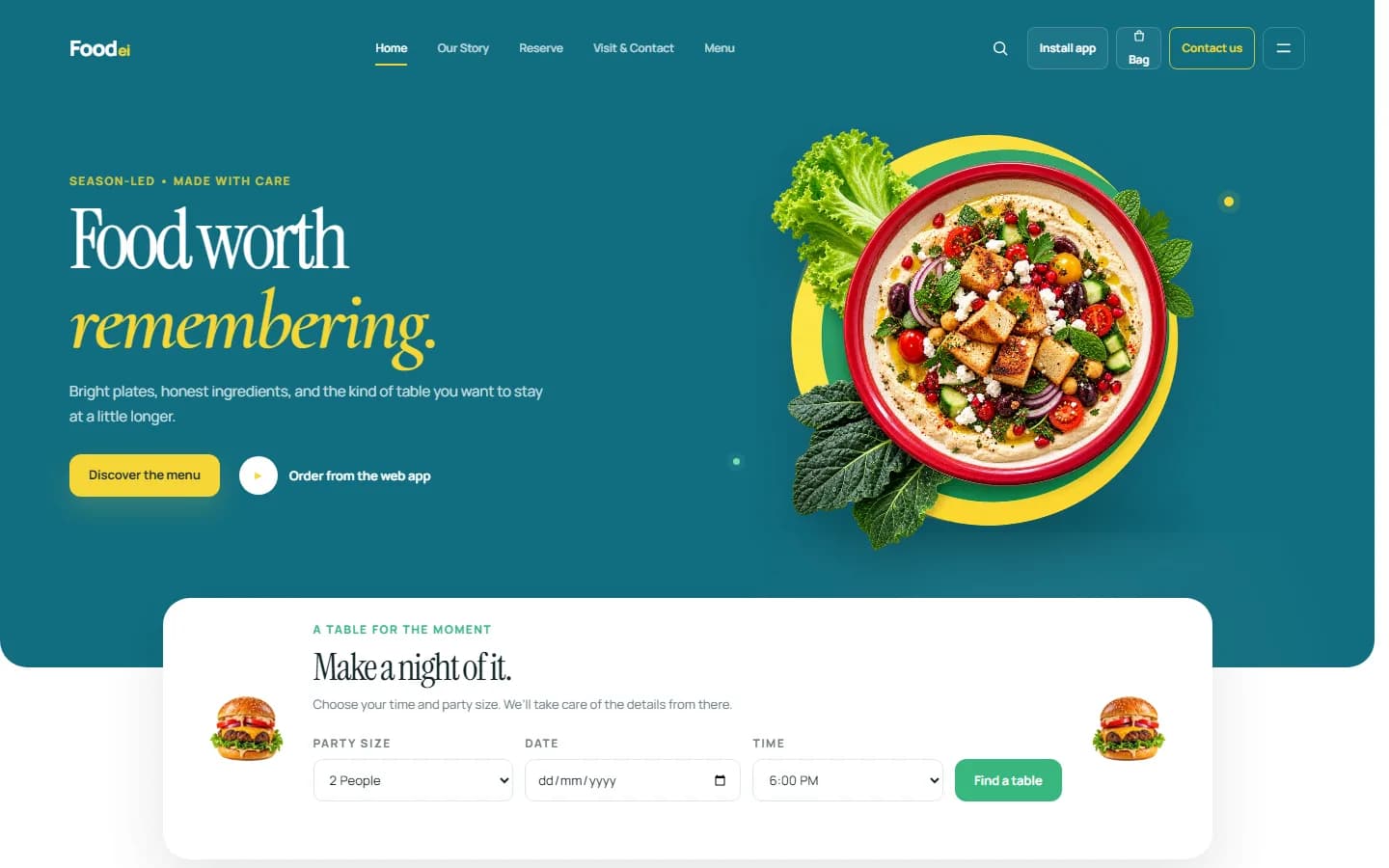
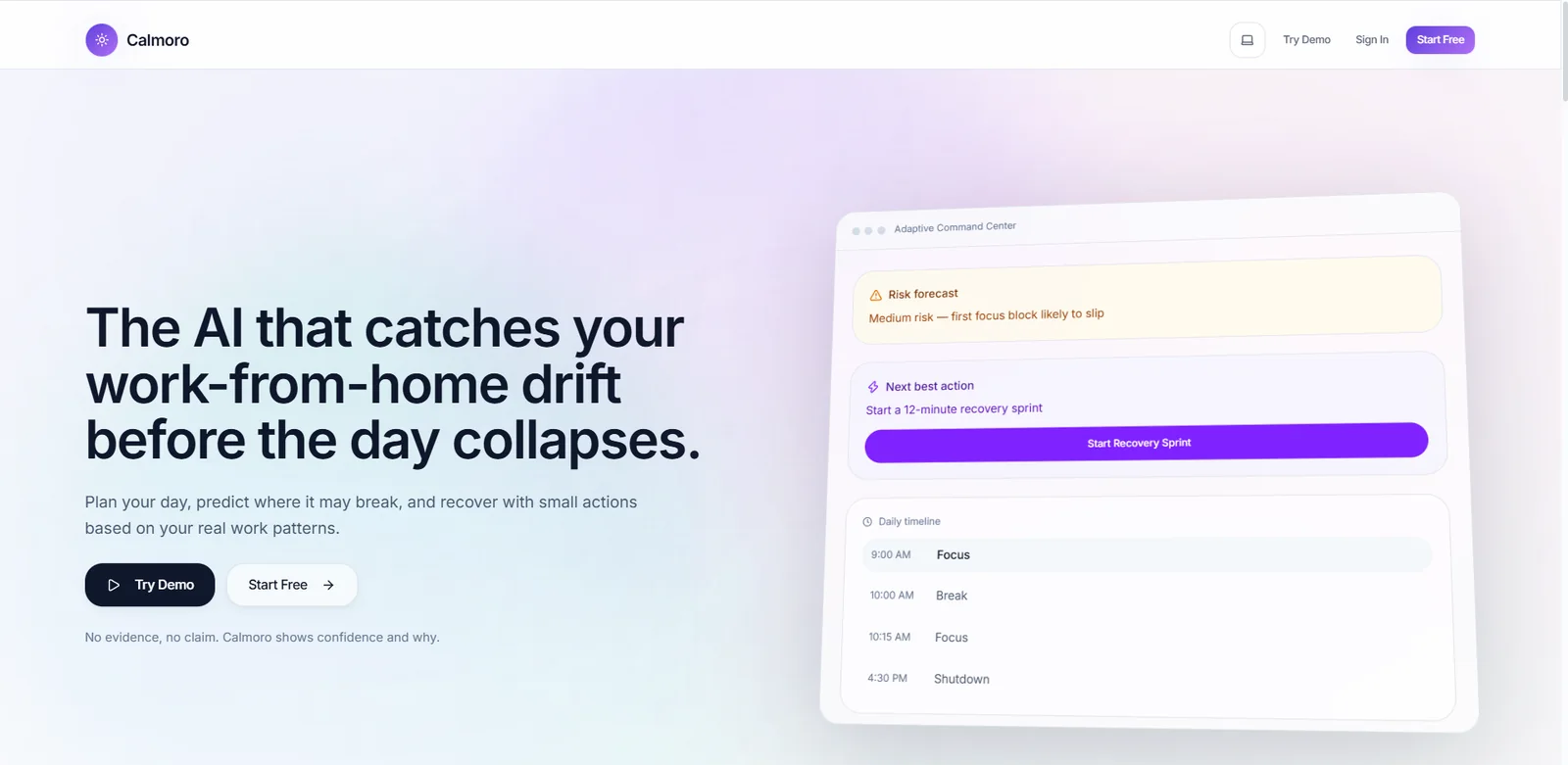
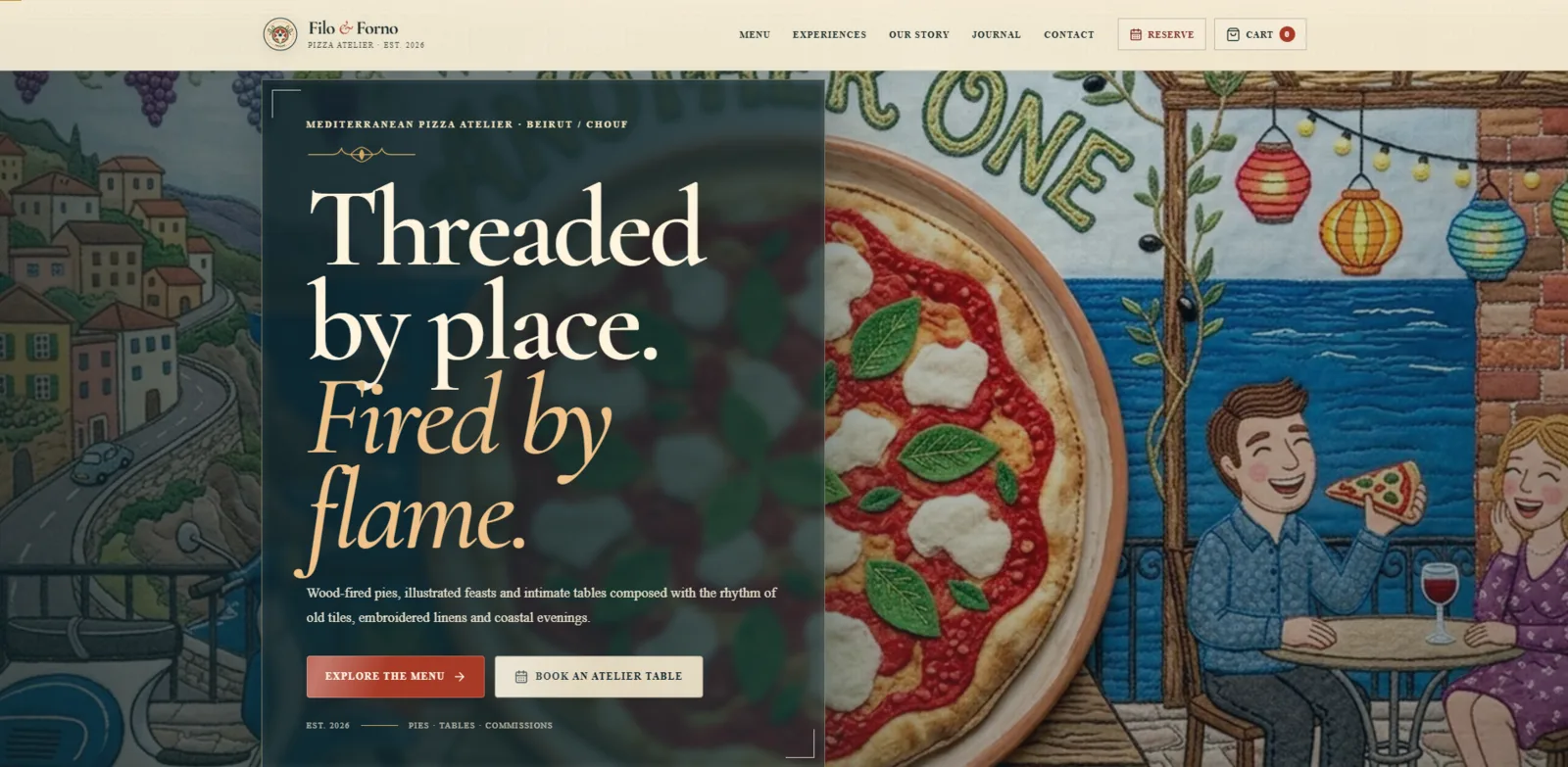
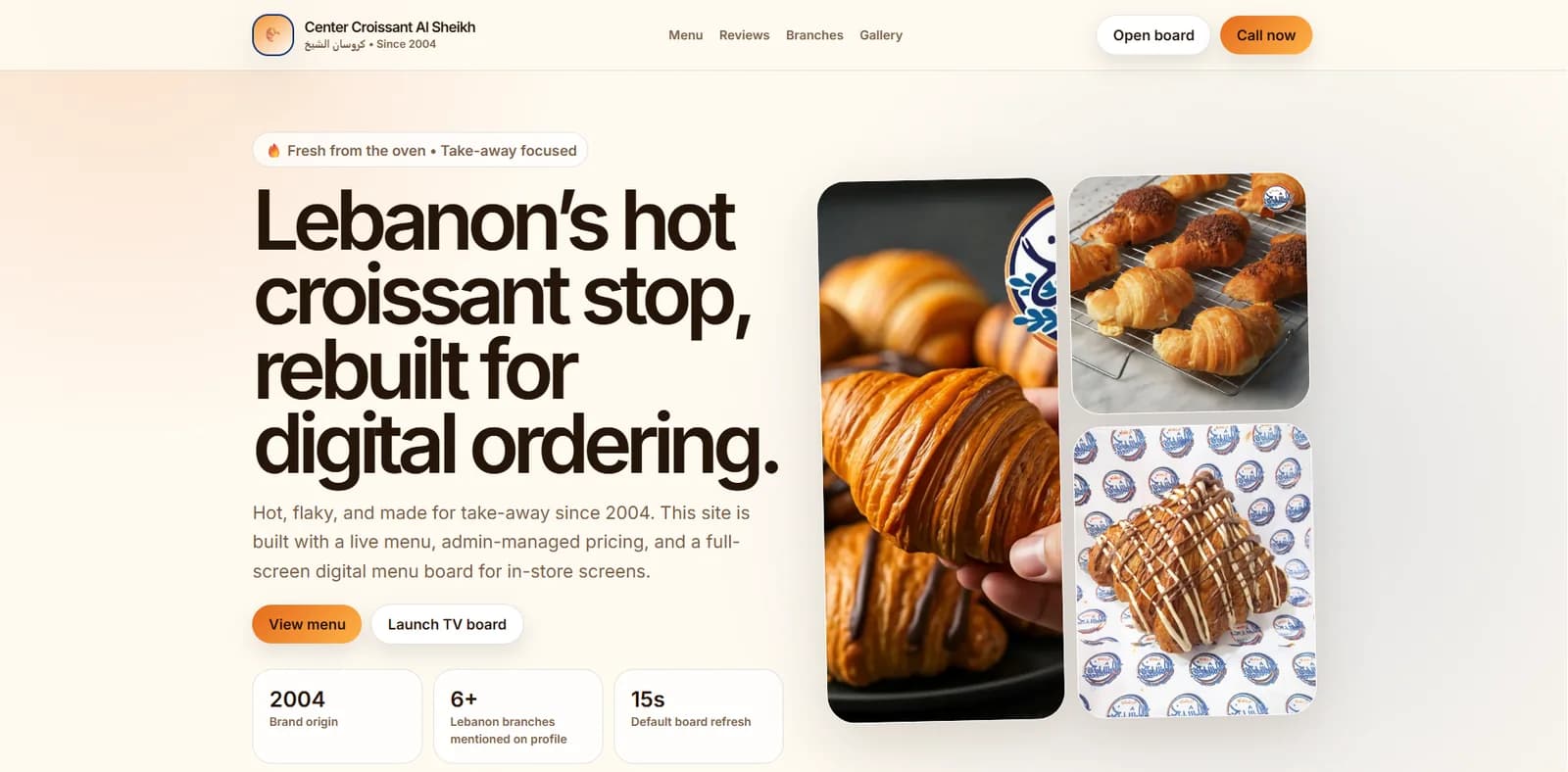
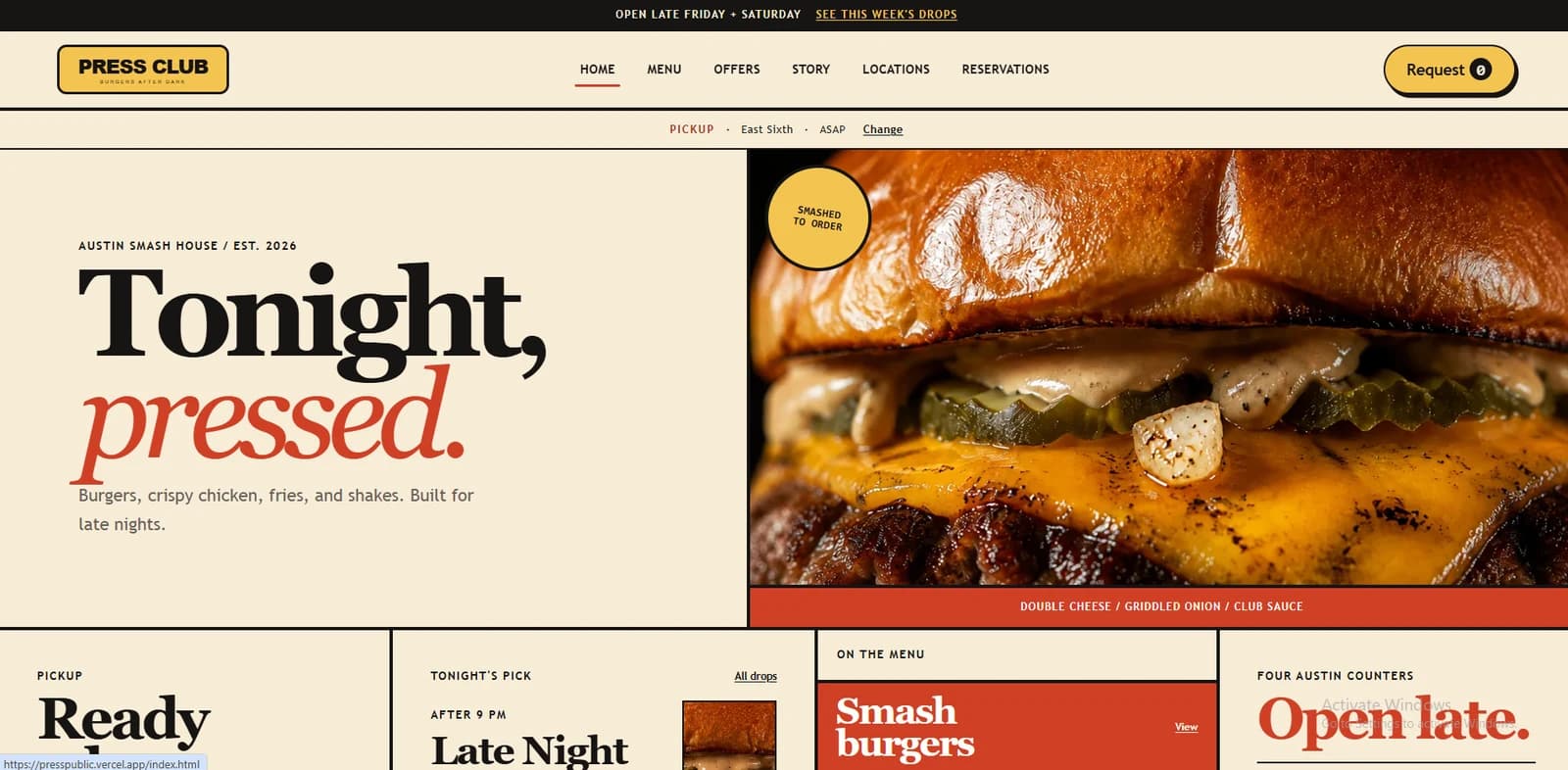
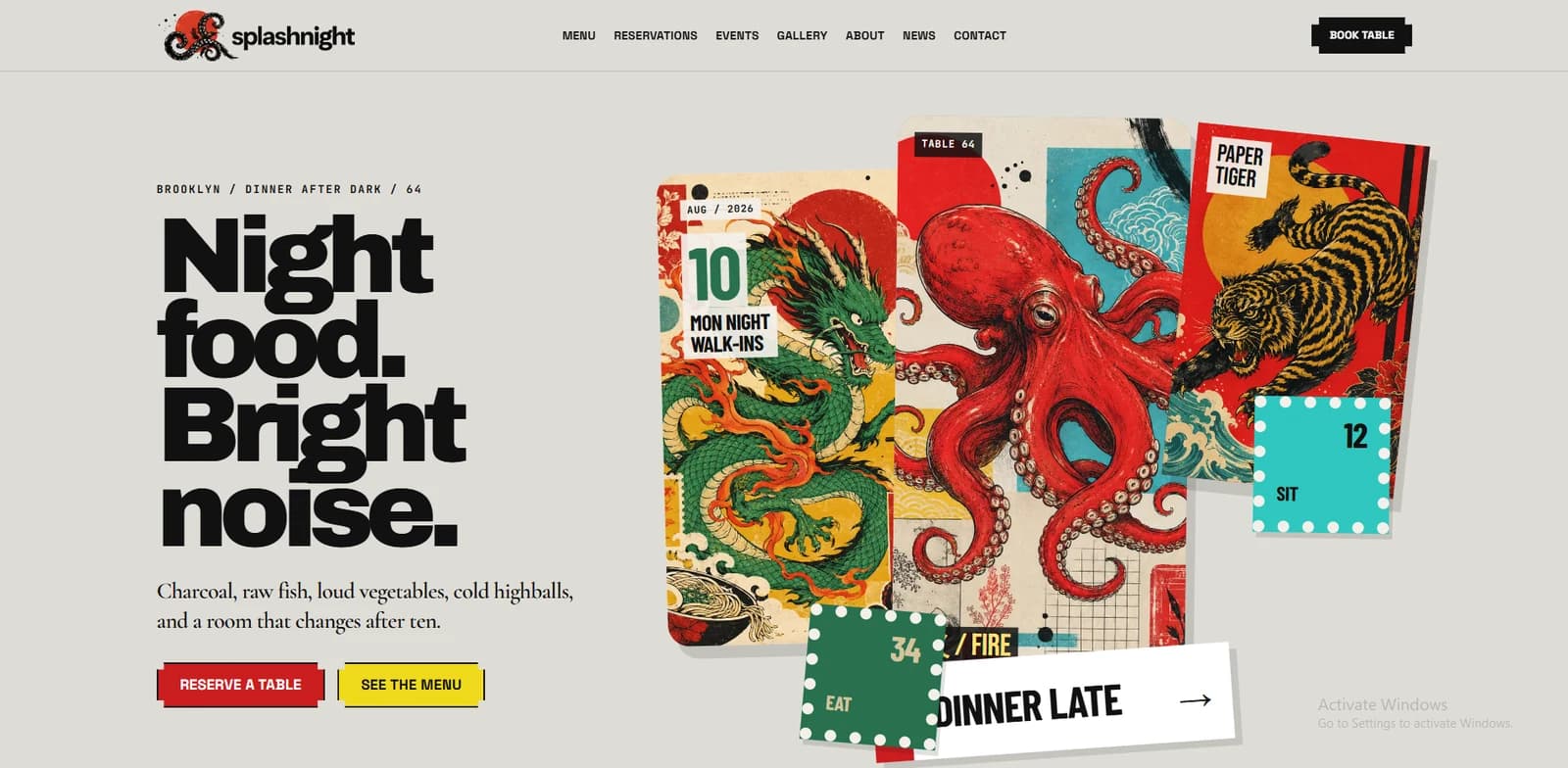
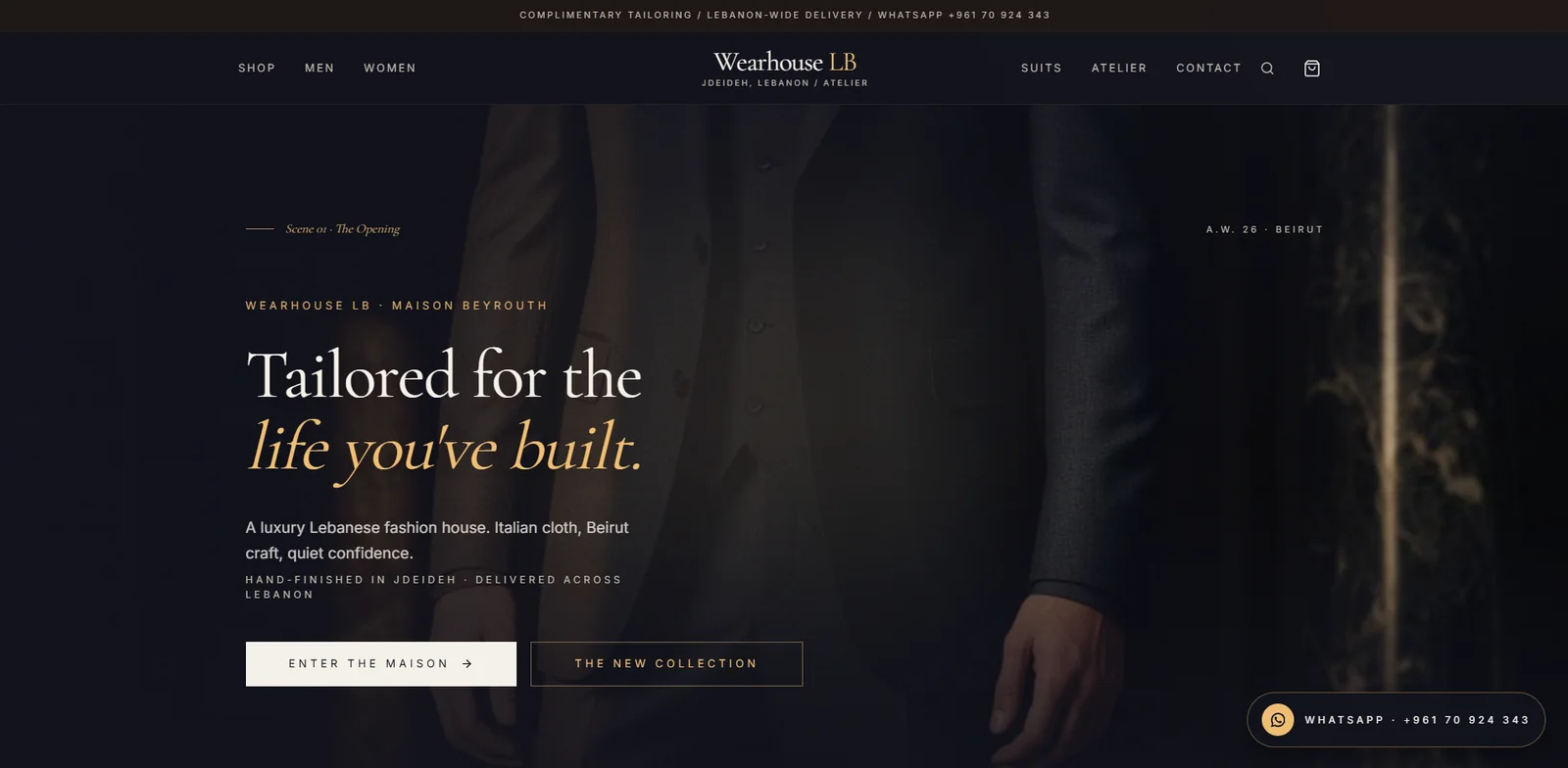

Choose the business decision, not the agency category.
The homepage now previews both capability range and public evidence without turning into a case-study directory. Work remains the complete archive for inspection.
SaaS, portals, operational systems, marketplaces, subscriptions, and APIs designed around real business rules.
Explore Digital Product EngineeringRetrieval, assistants, agentic workflows, customer operations, and human review connected to real tools and constraints.
Explore AI Systems & AutomationHigh-value company, product, commerce, campaign, and portfolio experiences with operational depth.
Explore Premium Web ExperiencesA visible system for moving from uncertainty to operation.
Establish the useful outcome, inspect the current reality, and convert evidence into a scoped product thesis with explicit priorities and non-goals.
Make the intended experience and technical boundaries concrete before expensive implementation decisions become hard to reverse.
Implement in testable increments, validate critical behavior and failure states, then launch through controlled environments with observability and rollback capability.
Observe behavior and outcomes after release, address issues, and choose the next highest-leverage improvement instead of treating launch as the finish line.
Craft is not decoration. It is operational discipline.
Interfaces are one visible layer. Operations, content, data, integrations, ownership, and support shape the product too.
Fast prototyping and AI-assisted engineering are useful only when architecture, security, testing, and product judgment remain owned.
Performance, accessibility, maintainability, monitoring, documentation, and post-launch support remain part of the product.
Bring us the operating problem, not a polished brief.
The first conversation is for understanding the current system, the decision that needs to be made, and what a useful outcome would change.